The question we hear most often at Tabia Tours and Travel is, “When is the best time to visit East Africa?” It’s a fantastic question, but the answer isn’t one-size-fits-all. The “best” time truly depends on what you want to see and experience.
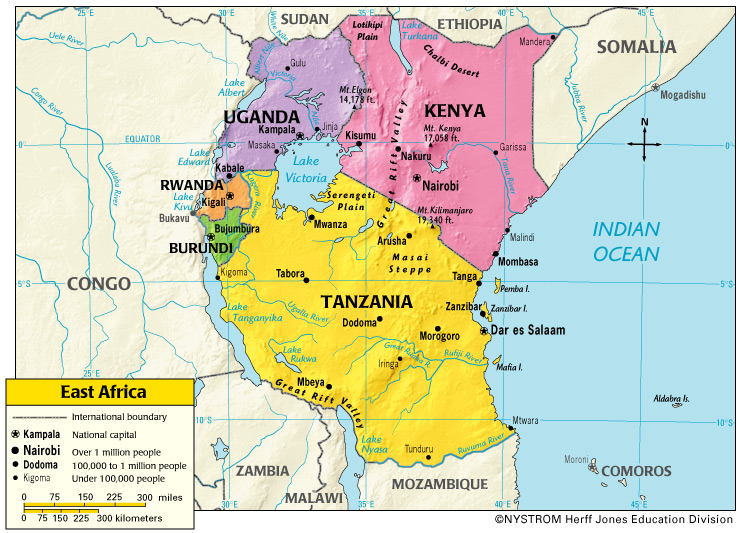
East Africa—encompassing Kenya, Tanzania, Uganda, and Rwanda—is a land of dramatic seasons, each painting the landscape in a different light and offering unique opportunities. This guide will break down the seasons and help you pinpoint the perfect time for your dream adventure.
The Short Answer: The Dry Seasons are Peak Seasons
For classic wildlife viewing, the long dry seasons are generally considered the prime time:
- June to October
- January to February
During these months, you’ll find:
- Drier landscapes: Sparse vegetation makes animals easier to spot.
- Animal concentrations: Wildlife gathers around predictable water sources.
- Excellent road conditions: Easier access to parks and reserves.
- Minimal mosquitoes: Lower risk of malaria.
But don’t dismiss the green season! Read on to see why it might be the perfect choice for you.
A Season-by-Season Safari Guide
1. Peak Season: The Great Dry Season (June – October)
This is the quintessential safari season and the best time for the Great Migration in the Serengeti and Maasai Mara.
- Wildlife Viewing: Exceptional. With water scarce, animals are constantly on the move to rivers and waterholes, making for incredible, concentrated sightings.
- The Great Migration Highlight: The dramatic Mara River crossings typically occur from July through September, as millions of wildebeest and zebra brave crocodile-infested waters.
- Weather: Sunny, clear skies, and pleasantly cool nights. Days are warm but not overly hot.
- The Trade-Off: This is the most popular (and expensive) time. You’ll need to book lodges and permits far in advance.
2. Calm & Warm: The Short Dry Season (January – February)
A beautiful window of dry weather nestled between the short rains and the long rains. It’s a fantastic alternative to the mid-year crowds.
- Wildlife Viewing: Excellent. Similar advantages to the long dry season, with animals gathering around remaining water sources.
- The Great Migration Highlight: This is the calving season in the Southern Serengeti and Ndutu area. Witness thousands of wildebeest give birth, attracting plenty of predator action.
- Weather: Warm and generally dry. Perfect for beach extensions to Zanzibar or the Kenyan coast.
- The Trade-Off: A popular time, so prices are still high, though often slightly less so than June-October.
3. Green Season: The Long Rains (March – May)
The landscape is at its most lush and vibrant, but this is the low season for a reason.
- Wildlife Viewing: Good, but challenging. The dense foliage can make animals harder to find, but the scenery is stunningly green. This is a fantastic time for birding, as migratory birds are present and in breeding plumage.
- The Great Migration: The herds are often scattered and moving through the central Serengeti.
- Weather: Periods of heavy, prolonged rain. Some lodges and roads in remote areas may close.
- The Trade-Off: This is the best time for budget travelers. You’ll find significant discounts on lodges and tours, and the parks are blissfully uncrowded.
4. Shoulder Season: The Short Rains (November – December)
A wonderful “shoulder season” with a mix of sun and short, passing showers.
- Wildlife Viewing: Very Good. The landscape is green, but the rains are usually brief enough not to majorly disrupt game drives. Animals are still relatively easy to spot.
- The Great Migration: Herds are moving from the north back to the southern plains for the calving season.
- Weather: Generally warm with short, afternoon showers that clear quickly.
- The Trade-Off: A fantastic balance of good value, decent weather, and fewer tourists.
Country-Specific Highlights: Beyond the Safari
While the general seasons apply, each country has its own unique rhythms.
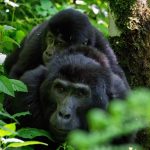
- Uganda & Rwanda: Gorilla Trekking
- Best: June-September and December-February (dry trails, easier trekking).
- Good: The shoulder months (March, October, November). Treks are still great, with lusher forests.
- Consider: The rainy seasons (April-May) can mean muddy, challenging treks, but permits are easier to secure.
- Kenya & Tanzania: Beach Getaways
- The best beach weather on the coasts of Zanzibar, Mombasa, and Diani Beach is typically during the dry seasons, especially January-February and June-October, with less humidity and more sun.
- Tanzania: Climbing Mount Kilimanjaro
- The clearest and warmest climbing conditions are during the dry seasons: June-October and January-mid-March.
So, When Should YOU Go?
Let us help you decide:
- For the Ultimate Wildlife Spectacle: Aim for July-October for the river crossings or January-February for the calving season.
- For the Best Balance of Value & Weather: Target the “shoulder seasons” of November-December or March (if you don’t mind a few showers).
- For Budget-Conscious Travelers: Embrace the April-May green season for the lowest prices and lush landscapes.
- For Gorilla Trekking & Primates: Prioritize June-September or December-February for the driest conditions in Uganda and Rwanda.
- For Honeymoons & Beach Combinations: January-February or June-September offer idyllic weather for both safari and beach.
Conclusion: Your Journey, Your Time
There is no single “bad” time to visit East Africa—only different times that offer different kinds of magic. Whether you’re chasing the drama of the Great Migration, seeking the intimacy of a quiet, green landscape, or looking for the best value, there’s a perfect season waiting for you.
Let Tabia Tours and Travel Be Your Guide
Navigating the seasons and creating the perfect itinerary is our expertise. We’ll match your dreams with the ideal time to travel and handle all the details.
Contact us today to start planning your personalized East African adventure!
Blog Post Meta Description: Discover the best time to visit East Africa for your safari. Our guide breaks down the dry & green seasons for the Great Migration, gorilla trekking, and beach holidays. Let Tabia Tours plan your perfect trip